

Understanding the sweet bonanza slot begins with one important distinction: wins depend on how many matching symbols land, not on traditional paylines. The 6×5 grid, Tumble mechanic, Scatter symbols and Free Spins multipliers all affect how a result is formed. Once these parts are separated, the paytable becomes easier to read and less likely to create unrealistic expectations. This guide explains the original game’s symbols and payout structure, while noting where casino-specific settings can change the figures shown on screen.
Why the grid does not use ordinary paylines
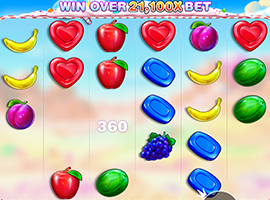
The original game uses a 6×5 layout, giving each spin 30 visible positions. Instead of following fixed lines across the reels, its Pay Anywhere system counts matching paying symbols wherever they appear on the grid. A qualifying combination generally requires at least eight identical symbols. Their precise arrangement is less important than the total number present when the tumble is evaluated.
The paytable normally groups winning quantities into three bands: eight or nine matching symbols, 10 or 11 matching symbols, and 12 or more matching symbols. The largest group therefore does not require a particular pattern or a conventional line. It requires enough of the same symbol to appear across the whole screen. Higher-value candy symbols usually pay more than the lower-value fruit symbols, although the exact multiplier for each symbol should be checked in the loaded game’s information panel.
This structure can make a screen look busy without every matching item producing a win. Seven identical symbols, for example, do not meet the usual minimum of eight. Conversely, several different symbols can qualify on the same spin if each reaches its own required count. The game totals those separate wins before the next stage of the tumble, so reading the paytable by symbol count is more useful than searching for a line-shaped combination.
How a Tumble changes one spin into several results
When a qualifying combination appears, the winning symbols disappear rather than remaining fixed on the grid. Symbols above them fall into the empty spaces, and new symbols enter from the top. This is the Tumble feature. The original wager is not placed again for each movement; the additional arrangements belong to the same paid spin.
A second win can form after the first group has vanished, and further tumbles continue until no new qualifying combination is created. Each winning group is assessed according to the same symbol-count rules. If a tumble produces wins from more than one symbol type, those amounts are added together before the game checks whether another replacement arrangement can win.
The practical limitation is that a tumble does not guarantee a chain reaction. New symbols may fail to produce eight matching items, ending the sequence immediately. It is also possible for a first win to be modest even when later tumbles create a larger total. For that reason, the result of a spin should be judged by the complete tumble sequence, not just the first arrangement displayed.
Which symbols matter most to the payout
Regular symbols include fruit such as bananas, grapes, watermelons, plums and apples, along with more valuable candy-themed symbols. Their role is straightforward: if enough of one kind appears, the paytable assigns a payout based on the count. The visual design may make some symbols appear more prominent, but only the paytable determines their relative value.
The pink-and-white lollipop is different because it functions as the Scatter symbol. It can land anywhere on the grid rather than needing to form a standard paying combination. Four or more Scatters trigger the Free Spins feature in the original version, and four, five or six Scatters also provide a direct Scatter payout before the bonus round begins. The number shown in the game rules remains the decisive reference.

Scatter wins and regular symbol wins should not be confused with promotional free spins offered by a casino. The built-in feature is part of the slot’s rules, while promotional spins are controlled by the operator and may carry separate conditions. Similarly, later titles with names such as Sweet Bonanza 1000 or Sweet Bonanza Xmas are separate games, so their symbols, features and paytables should not be assumed to match the original.
What the Free Spins multipliers actually do
The original Free Spins round normally begins with 10 spins. Landing three or more additional Scatters during the feature awards five extra spins. The most important difference from the base game is the appearance of multiplier bomb symbols. These bombs can carry random values from 2x to 100x and are available during Free Spins rather than ordinary spins.
Bombs remain visible until the current tumble sequence has finished. If several bombs appear during that sequence, their values are added together. The resulting total multiplier is then applied to the win from that tumble. For example, bombs showing 5x and 10x are combined into 15x for the relevant sequence; they are not necessarily applied as two independent multiplications to every later tumble.
This timing matters when reading a result. A bomb appearing on the screen is not automatically a cash prize, and a high displayed multiplier does not mean the entire Free Spins round receives that multiplier. It applies according to the game’s tumble rules. The number of spins, retriggers, symbol counts and bomb values all influence the final feature result, so no single symbol can predict what the complete round will return.
Which payout figures can change between casinos
The game’s rules are consistent in broad outline, but the exact configuration offered by a casino may differ. Published RTP figures for the original version have appeared around 96.48% to 96.51%, yet the enabled setting is the one that matters for the specific game being loaded. The in-game information screen should therefore be checked instead of relying on a figure copied from another website.
Stake ranges, currency units, available options and maximum-win information can also vary by operator or configuration. A commonly published starting stake is around 0.20 units per spin, while maximum-win figures have been described at approximately 21,000 times the stake. These are reference figures, not a promise that every Canadian-facing casino uses the same version. The displayed rules and paytable take priority.
For a broader view of gambling information and safer-play considerations, readers can consult the Responsible Gambling Council’s public resources. That information does not confirm any particular payout or casino setting. It is useful because RTP describes long-run statistical performance, not the return from one session, one feature round or one sequence of tumbles.
Frequently asked questions about symbols and payouts
How many matching symbols are needed for a regular win?
The original game generally requires at least eight identical paying symbols anywhere on the 6×5 grid. Eight or nine, 10 or 11, and 12 or more symbols form separate payout bands. The exact value for each band appears in the paytable of the particular configuration being played.
Do Scatter symbols count like fruit and candy symbols?
No. The lollipop Scatter has a separate function. Four or more can trigger the Free Spins feature, while four, five and six Scatters can also award a direct Scatter payout in the original rules. They are not treated as ordinary symbols for the standard Pay Anywhere combinations.
Does a 100x bomb multiply the whole Free Spins round?
No. A bomb multiplier applies to the relevant tumble sequence. Bomb values appearing during that sequence are added together, and the combined multiplier is applied to that sequence’s win. It does not automatically multiply every spin or every win in the complete Free Spins feature.